The Process
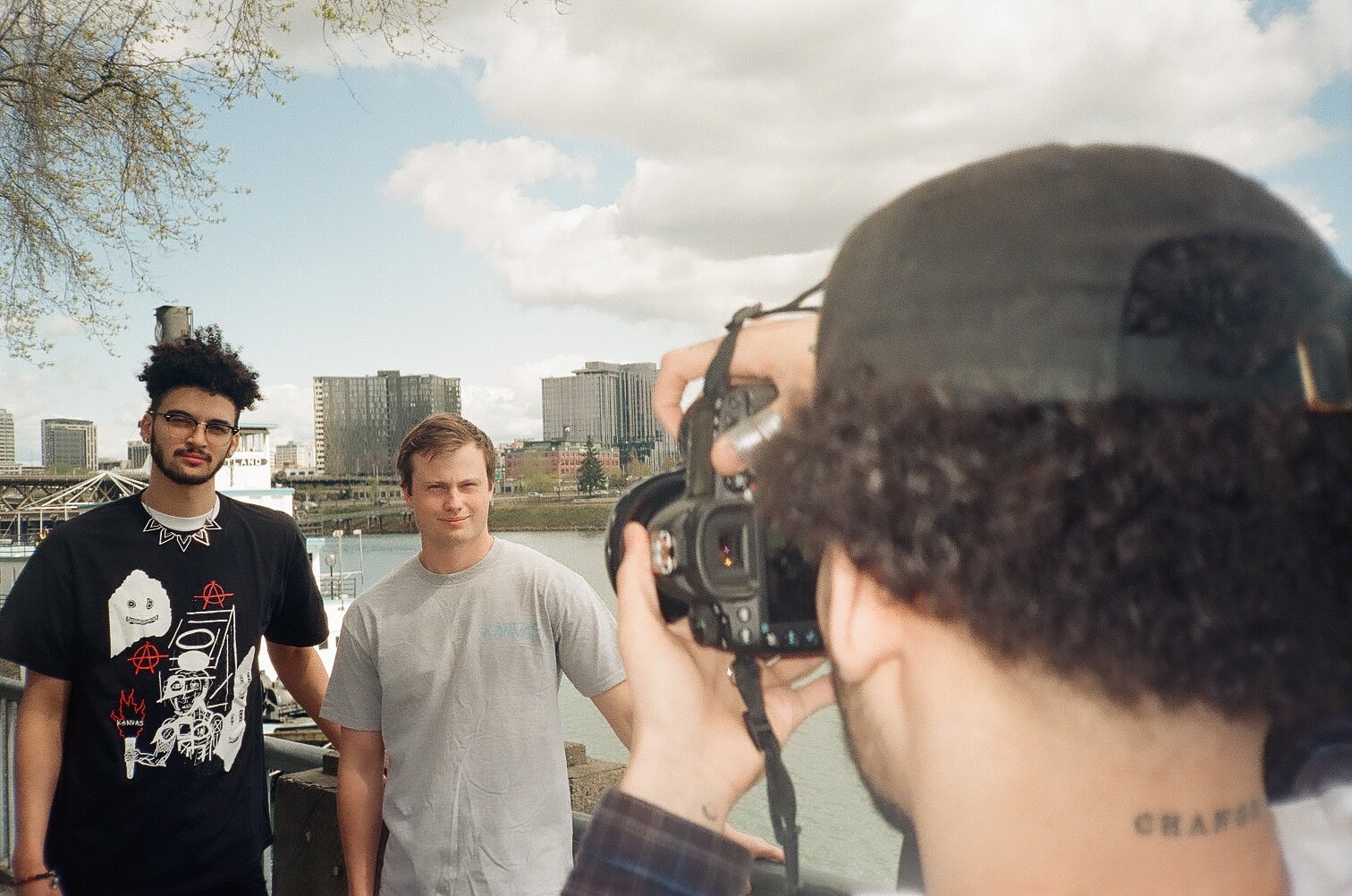
Filmmaking is a fascinating world and there’s a lot of work that goes into creating a film. Making a film independently is a beast of its own. Without the backing of a studio, the only way to tell these stories are off the backs of personal connection. It is our duty to go out into the world and share our project with the community so that one day we are able to share it with the world. Because of this, we decided that the only way to achieve this goal is to invite you on the inside and to take a look at what our filmmaking process looks like.
The Beginning
All Figured Out was an idea that popped into my head two years ago. I had spent years writing and studying and I was finally in a spot where I knew I wanted to tackle my first feature film. That was when I came across my first hurdle: what is the story I want to tell?
Writing for me is a very intense process. I need it to feel real, personal, so that when the time comes to share it with the world, they can sit in those feelings with me. So I gave myself two rules: Write honestly and write within my means. This meant that I couldn’t chase an idea. I spent weeks sitting with myself, listening to music and waiting for something to hook me. Eventually, that’s what happened.
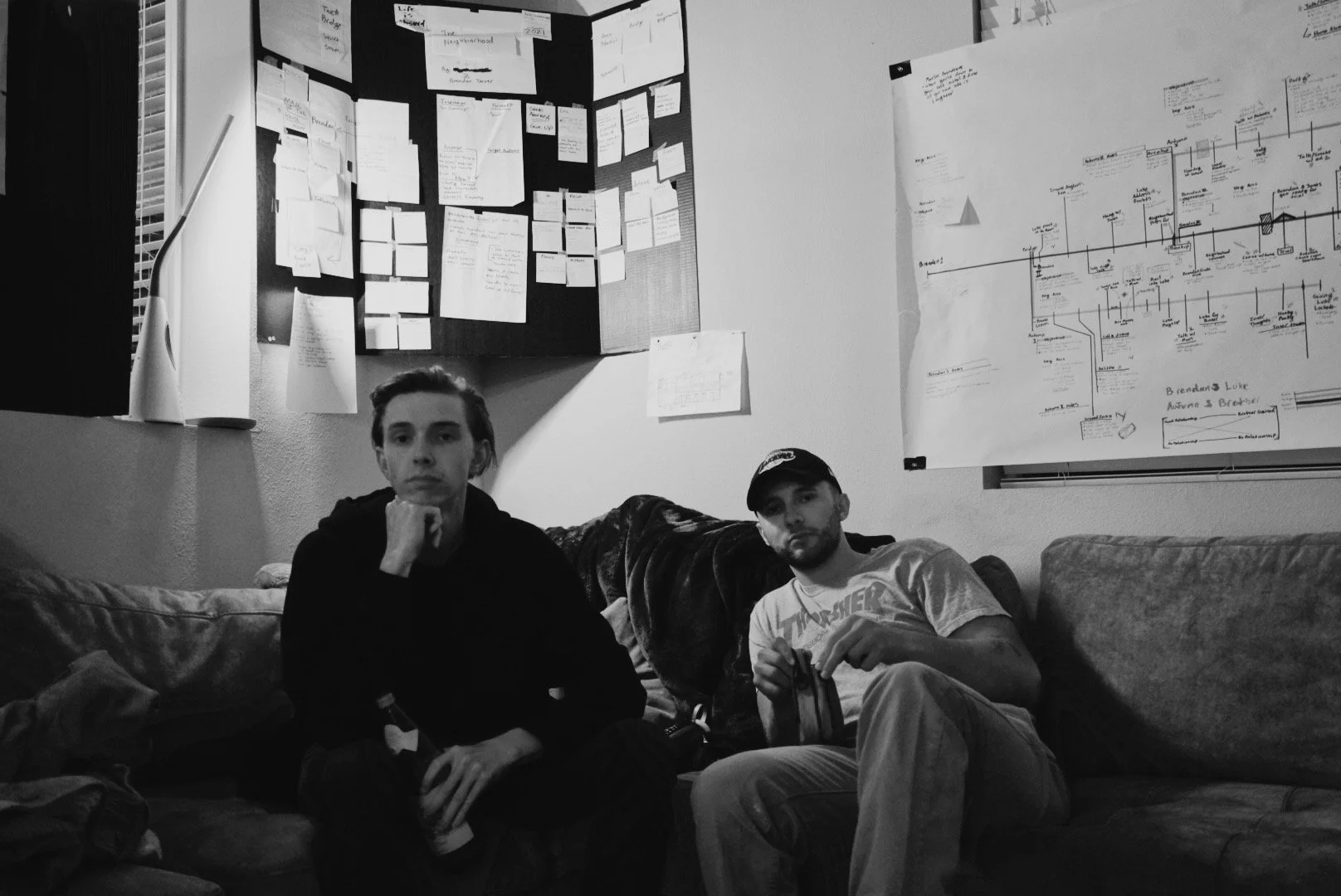
What followed was months of sleepless nights, dark rooms, lots of notecards, and my laptop leading me to one conclusion: this had to be a story about home.
A single notecard tacked on the wall above my desk can sum it all up:
“Make Salem it’s own character”
At the end of it all, All Figured Out can be known as one thing: A love letter to the place that made me who I am. No matter where life has brought me, Oregon is my home. With this film having flashes of Salem, Portland, and the Oregon Coast, I’m hoping others will see what makes it so special.
Finance
Before pre-production can even officially begin, we have to create a budget and then find a way to fulfill that budget. This process is the most strenuous. Because of this, I decided to start building my team of producers. These producers make it their duty to go out into the community and spread the word about our project in hopes that we can find those who are willing and able to provide support.
We have a few ways of going about this, but our main goal is to find partners. Whether you support financially, let us use a location, provide meals, or anything that can help this project come to life, you become more than a supporter. You are a partner. Your name is attached forever and you are officially a member of the All Figured Out team.
The vision is clear:
This is more than a film being made about the community.
This is a community coming together to make a film.
Visit the support tab to learn more about how to join our team.
Pre-Production
Pre-Production is a long process. We make it our duty to plan for everything the script requires and then some. This process is split into two parts:
The Creative and The Logistics.
As the director, it is my job to rally the creative members of our team and try to get a clear look into what each day of production might look like.
Here are a few key examples that you would find on our to do list:
Partner with my Director of Photography and decide what we want the film to look like.
As the writer, I have a clear vision of how the film looks, but that is all inside my head. In order to keep the final product true to the image in my head, we must collaborate to make that vision a reality.
Work with my actors.
We are on a very strict schedule and will not have the luxury of time or reshoots. Because of this, we will rely on preparation. Extensive rehearsals will take place.
Study.
Each day I spend time with the script. Each element of the film rides on the director’s shoulders. If I am not fully equipped, then the production fails.
Creative
The director has a lot to balance. In order to make sure the creative side doesn’t suffer from neglect, I have to create a team of trusted producers. These producer have an insane workload and are the driving force behind making the film a reality and ensuring that the production runs as smoothly as possible.
Here are a few key examples of what their workload includes:
Contacting locations
Talking to potential investors/partners
Locating props
Assist in hiring crew, actors, and background actors.
Marketing
Helping schedule each day on set.
Making sure everything is within budget.
These are just a few responsibilities that our producers are taking on. Every minute detail is carefully assessed by them and their job never stops until the film is distributed.
Logistics
Production
The time eventually comes when the entire team is finally together in one place. From there, the years of preparation must be executed.
Our production will take twenty-three days to film, with a couple of days off in between. These will be long days with a lot of unknown variables, but this is where the preparation comes in. We have confidence that any problem that might arise will be swiftly dealt with because of the amount of planning we have done.
Everything we have done will have led to this point and I couldn’t be more excited for when that day comes.
We have structured the production into three segments.
I: Salem
II: Portland
III: The Oregon Coast
Post-Production
Once production has wrapped, the editing process must begin. The director works in tandem with a talented editor to comb through all of the footage and piece it together to create a rough cut of the film. Once we get it to a point we like, we involve sound engineers and work with a composer to make it feel complete.
This is a months long process that will repeat itself over and over and over again until we feel like it’s ready to share with the world.
Once we have a finished film, our goal is to get it in front of as many eyes as possible. There’s a few ways we could go about this, but I have created a three-tier goal system for our team to pursue.
What’s Next?
We believe that the community that helped us make this film a reality deserves the first chance to see it. Because of the technicalities of film festival eligibility, we plan on hosting both private screenings and test screenings for our sponsors, producers, friends, and family.
Once the film has premiered, we would like to partner with local, independent theaters across Oregon to host screening events to keep that grassroots momentum and for us as a team to show our appreciation.
Local
The largest part of our plan is to put this film in front of a crowd of our peers. Film festivals are the best way to gain both professional and personal momentum.
At these festivals are where we can win awards, meet other filmmakers and producers, and hopefully gain distribution.
Our entire process has revolved around this. If we can prove to people that we can create a truly honest and great film without studio backing, we will be given more opportunities to create more ambitious projects.
We aren’t there to sell people on a film. The film will sell itself. We are there to sell our filmmaking peers on a group of talented filmmakers.
I have a lot of ideas for future projects that I would like to bring back home and All Figured Out is just the beginning of that.
Festival Run
After doing our festival run, we will hopefully gain enough notoriety that we can secure a distribution deal. Whether we do a theatrical run or straight to streaming, we believe that those are both massive wins.
We already have a few theaters that have promised us a few showtimes when the time comes. A filmmakers dream is to showcase their work to people. That I the ultimate goal.